
Facing foreclosure in Jacksonville, Florida can feel overwhelming when financial hardships make it tough to keep up with your mortgage. Many homeowners mistakenly believe foreclosure means an instant loss of their home, but in reality, foreclosure is a legal process with protections and options at every step.
Understanding the actual process, along with the rights and alternatives available, can open the door to real solutions like bankruptcy, loan modification, or personalized legal support tailored to your situation.
Foreclosure is the legal process where your lender takes control of your home because you haven’t made mortgage payments. It’s not an instant loss—it’s a structured legal proceeding with specific steps and timelines.
In Florida, foreclosure is a judicial process, meaning your lender must file a lawsuit to recover the money owed on your mortgage by selling the property. This isn’t a quick administrative action; it involves the court system and gives you opportunities to respond and defend your rights.
Here’s what actually happens during foreclosure:
Many homeowners believe foreclosure means immediate eviction. That’s false. You have rights and options that can stop or delay the process entirely.
Common misconceptions about foreclosure include thinking you lose your home overnight, believing you have no legal defenses, or confusing different financial solutions. These misunderstandings cost homeowners thousands of dollars and unnecessary stress.
The mortgage itself doesn’t transfer your home to the lender—it creates a security interest that allows them to sell the property if you default. Understanding homeowner rights in foreclosure is essential because you have real options.
Before foreclosure ends with a sale, you can:
Each option has different requirements and outcomes. The choice depends on your financial situation, how much equity you have, and your long-term goals.
Foreclosure is a legal process with multiple stopping points—not a one-way street to eviction. You have time to explore solutions.
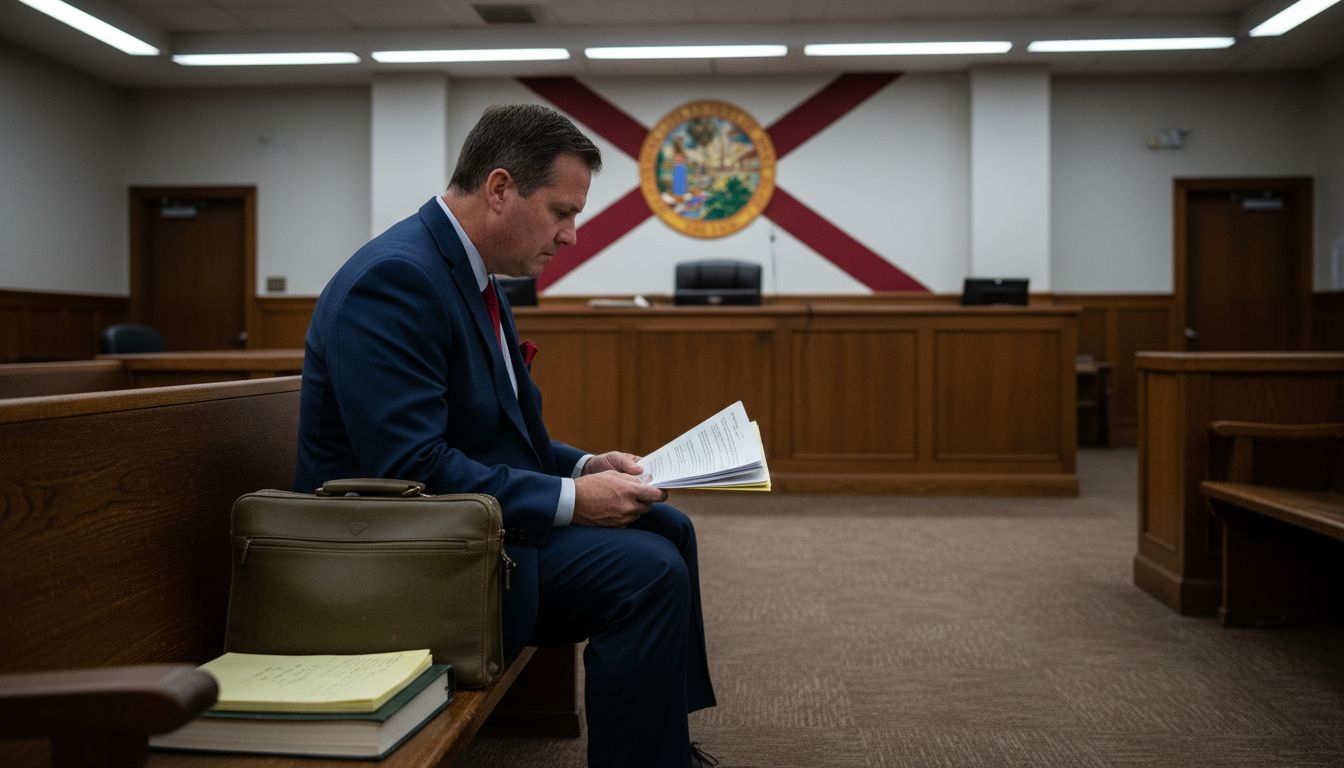
Florida uses a judicial foreclosure process, which means your lender must file a lawsuit in circuit court to take your home. This is different from non-judicial states where lenders can foreclose outside the court system. The judicial process gives you legal protections and opportunities to defend yourself.
The process begins when you miss mortgage payments. Your lender sends a breach letter notifying you of the default, typically after you’re 120 days behind. This letter explains what you owe and gives you time to catch up before formal legal action starts.
Here’s how the judicial foreclosure timeline unfolds:
That 20-day response window is critical. You can file a written answer challenging the foreclosure, present defenses, or request time to negotiate. Many homeowners miss this deadline and lose their right to contest the case in court.
Common defenses include proving you weren’t actually in default, finding errors in the lender’s paperwork, or showing the lender violated your rights. The foreclosure lawsuit filing process involves strict procedural requirements that must be followed correctly.
Once the court issues a final judgment, the property goes to foreclosure sale. Your home is sold at public auction, typically held at the courthouse. The sale proceeds pay off the mortgage debt and costs.
If the sale price exceeds what you owe, you may receive the difference. However, if the sale price is less than the debt, you might owe the deficiency, though Florida has specific deficiency judgment protections in some situations.
Pro tip: File your written response within the 20-day deadline, even if you plan to negotiate or file for bankruptcy; responding preserves your legal options and prevents a default judgment that removes your ability to contest the foreclosure.
Florida has primarily one foreclosure type: judicial foreclosure. However, understanding your alternatives is more important than the foreclosure type itself. You have real options to avoid losing your home.
Standard judicial foreclosure is what most homeowners face. The lender files suit in court, follows proper procedures, and sells the property if you don’t catch up. Special foreclosure rules apply to homeowner association liens, where specific disclosure laws protect homeowners.
Rather than let foreclosure proceed, explore these proven options:
Loan modification changes your mortgage terms without replacing the loan. Your lender may adjust interest rates, extend the payoff period, or even reduce principal in some cases. This makes monthly payments manageable again.
Modification requires you to prove financial hardship and show ability to pay the new amount. Loan modification options and workout programs help homeowners avoid foreclosure by creating sustainable payment plans.
The modification process takes time—typically 3 to 6 months. Banks evaluate your income, debts, and expenses before approving new terms.
A deed in lieu of foreclosure lets you transfer your home to the lender to satisfy the debt. This avoids public auction and may eliminate deficiency liability. Your credit suffers less than foreclosure.
Cash for Keys offers money to leave the property voluntarily. The lender saves time and costs by avoiding auction. You get cash to relocate.
Both options work best when you have little equity and want to exit quickly.
Pro tip: Request mediation through the court before accepting deed in lieu or Cash for Keys; mediation often results in better loan modification terms that let you keep your home while becoming current on payments.
Here’s a quick comparison of key foreclosure alternatives in Florida:
| Option | Main Benefit | Typical Drawback |
|---|---|---|
| Loan Modification | Lowers payment, keeps home | Approval process can be lengthy |
| Deed in Lieu | Avoids auction, less credit harm | Lose home, may affect credit |
| Cash for Keys | Cash for relocation | Must vacate, lose ownership |
| Bankruptcy Filing | Automatic halt to foreclosure | Stays on record, legal complexity |
| Property Sale | Retain equity, end loan | Must sell quickly, market dependent |
You have legal rights in foreclosure that protect you from immediate loss and give you chances to fight back. Florida law and court procedures ensure you’re treated fairly before losing your home. Understanding these protections is your first defense.
The most important right is notice and opportunity to respond. You must receive formal notice of the foreclosure lawsuit and have at least 20 days to file a written response. Without proper notice, the foreclosure is invalid.
Here are your core protections:
Florida offers a Residential Mortgage Foreclosure Mediation Program that brings borrowers and lenders together. Mediation is voluntary but highly effective—many homeowners secure loan modifications or payment agreements through this process.
Mediation happens before judgment, giving you real negotiating power. Your lender may modify your loan, agree to a repayment plan, or accept a deed in lieu rather than foreclose. The mediation program encourages negotiated solutions that help homeowners avoid losing their homes.
You can request mediation during the court process. Many judges require it automatically in their circuits.
You have the right to challenge the lender’s claims in court. Common defenses include:
Due process protections ensure foreclosure judgments come only after the lender proves its case and you’ve had opportunity to respond.
Pro tip: Request mediation immediately when served with foreclosure papers; mediation costs nothing, preserves your defenses if negotiations fail, and frequently results in loan modifications that stop foreclosure while making your mortgage affordable.
Below is a summary of homeowner rights and key legal protections during foreclosure in Florida:
| Right or Protection | What It Ensures | When It Applies |
|---|---|---|
| Notice of Lawsuit | Written warning before action | At the lawsuit’s start |
| Opportunity to Respond | 20 days to file legal answer | After receiving notice |
| Mediation Availability | Chance to negotiate terms | Before court judgment |
| Right to Legal Counsel | Consult an attorney anytime | Throughout foreclosure |
| Court Oversight | Judge reviews every step | Entire process |
Foreclosure carries serious consequences beyond losing your home. Understanding the financial and personal risks helps you prioritize action and explore prevention options before it’s too late.
The immediate risk is loss of your home. Once the court confirms a foreclosure sale, you must vacate the property. You also face eviction if you don’t leave voluntarily, adding legal costs and emotional stress.
Here are the major risks you face:
Foreclosure costs accumulate quickly. Legal fees, court filing fees, and lender costs get added to your debt. If the property sells for less than you owe, a deficiency judgment makes you liable for the difference.
For example, if your home sells for $200,000 but you owe $250,000, the lender can pursue you for the $50,000 deficiency in most Florida situations. This debt follows you even after losing the home. Understanding foreclosure surplus funds allocation helps protect any equity after sale.
Action prevents foreclosure. The earlier you act, the more options you have available.
Proactive communication matters more than anything else. Lenders prefer negotiating solutions over foreclosure because it’s costly for them too. Prevention strategies like timely communication and loan modification help homeowners maintain stability.
Facing foreclosure in Florida can feel overwhelming and uncertain. The legal process described in the article highlights your critical rights, such as the 20-day response window, loan modification opportunities, mediation programs, and bankruptcy options that can stop foreclosure from moving forward.
If you are struggling with missed mortgage payments or feeling trapped by the complex judicial foreclosure process, you are not alone. Many homeowners share your goal of keeping their home and protecting their financial stability.
At Sacks & Sacks Law, we bring over 50 years of combined experience helping families in Jacksonville and Northeastern Florida navigate foreclosure, bankruptcy, and related challenges.
Our personalized approach means we will explore every possible legal option, including Chapter 13 bankruptcy to halt foreclosure, negotiating loan modifications, and guiding you through mediation.
Don’t wait until it is too late. Protect your rights, fight back to keep your home, and secure a fresh financial start. Call us today at (904) 396-5557 for a free foreclosure consultation.
The foreclosure process in Florida is judicial, meaning your lender must file a lawsuit to recover the money owed on your mortgage by selling the property. It includes steps like receiving a formal notice, having time to respond, court proceedings, and the potential sale of your property if the lender wins.
You can prevent foreclosure by contacting your lender immediately to discuss options, requesting a loan modification, selling your property if you have equity, pursuing mediation, or filing for bankruptcy to halt the process temporarily.
As a homeowner, you have rights such as receiving proper notice of the foreclosure lawsuit, having at least 20 days to respond, the right to present defenses in court, and the option to request mediation with your lender to negotiate a resolution.
Alternatives to foreclosure include loan modification, reinstatement of the mortgage by paying overdue amounts, selling the property yourself, negotiating a deed in lieu of foreclosure, or pursuing a Cash for Keys agreement to receive cash for vacating the property voluntarily.
 ✓
✓Reviewed by
Family Law Attorney & Partner, Sacks & Sacks