

Going through a separation is a challenging and emotional time, and alongside the personal upheaval, it can also bring financial stress. One of the most critical aspects to consider during this period is the potential impact on your credit score.
The number of marriages reported in the US was 2,065,905 in the year 2022, and the number of divorces was 673,989. [1]
Whether you’re separating from a partner or going through a divorce, shared accounts, joint debts, and changing financial circumstances can affect your credit in ways you might not anticipate. A damaged credit score can create long-term problems, affecting everything from loan approvals to future financial opportunities.
From managing joint accounts and monitoring your credit reports to establishing new financial habits and seeking professional advice, these tips will help you deal with this difficult time while safeguarding your financial future.
Here are a few tips to protect your credit score in the US during a divorce or separation:
Separate joint credit cards as soon as possible. Transfer balances to individual accounts to ensure only one person is responsible for the debt, avoiding shared liability.
Refinance Joint Loans
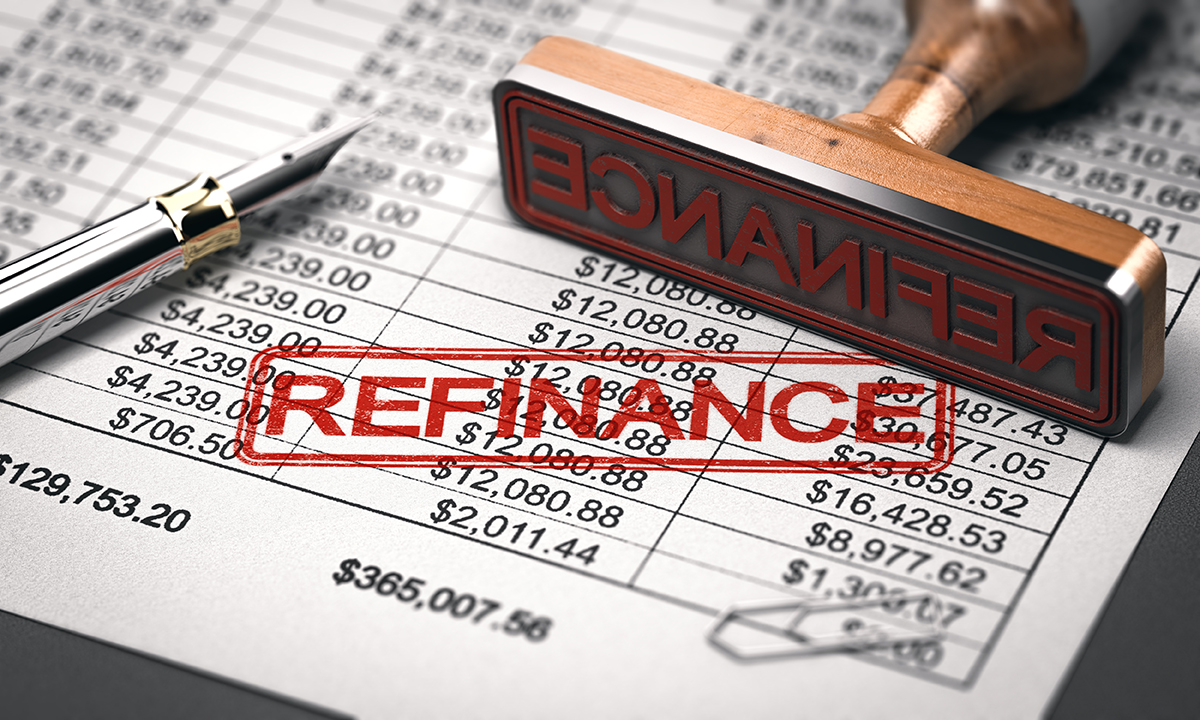
If you have joint loans (e.g., mortgage, auto loans), refinance them under individual names to prevent future complications. This is especially important for major loans, as they can significantly affect your credit score.
Notify Creditors
Inform creditors about the separation and clarify who is responsible for which debts. This helps prevent missed payments or confusion that could impact your credit.
Late or missed payments are one of the quickest ways to damage your credit score. During a separation, it’s necessary to stay organized and ensure that all your bills, such as credit card payments, mortgages, and personal loans, are paid on time.
If you were previously sharing financial responsibilities, it’s easy for payments to get overlooked or delayed, but the consequences for your credit can be significant. Set aside time each month to review and pay your bills, ensuring that no payments are missed.
Automate Payments
To reduce the risk of forgetting due dates, consider setting up automatic payments for your accounts. Most credit card companies, lenders, and utility providers offer this service. You can set it up through your bank or directly with your service providers.
Alternatively, set reminders on your phone or calendar to notify you ahead of due dates. Automation ensures your bills are paid consistently and on time, which is especially helpful during the emotional and logistical challenges of separation.
During a separation, financial confusion or miscommunication can lead to unauthorized charges or errors on your credit report. Regularly review your credit reports for any discrepancies or suspicious activity, especially if you share accounts with your ex.
Look for signs of fraud or incorrect information that could harm your credit score. You are entitled to a free credit report once a year from each of the three major credit bureaus Equifax, Experian, and TransUnion, through AnnualCreditReport.com.
Track Your Credit Score
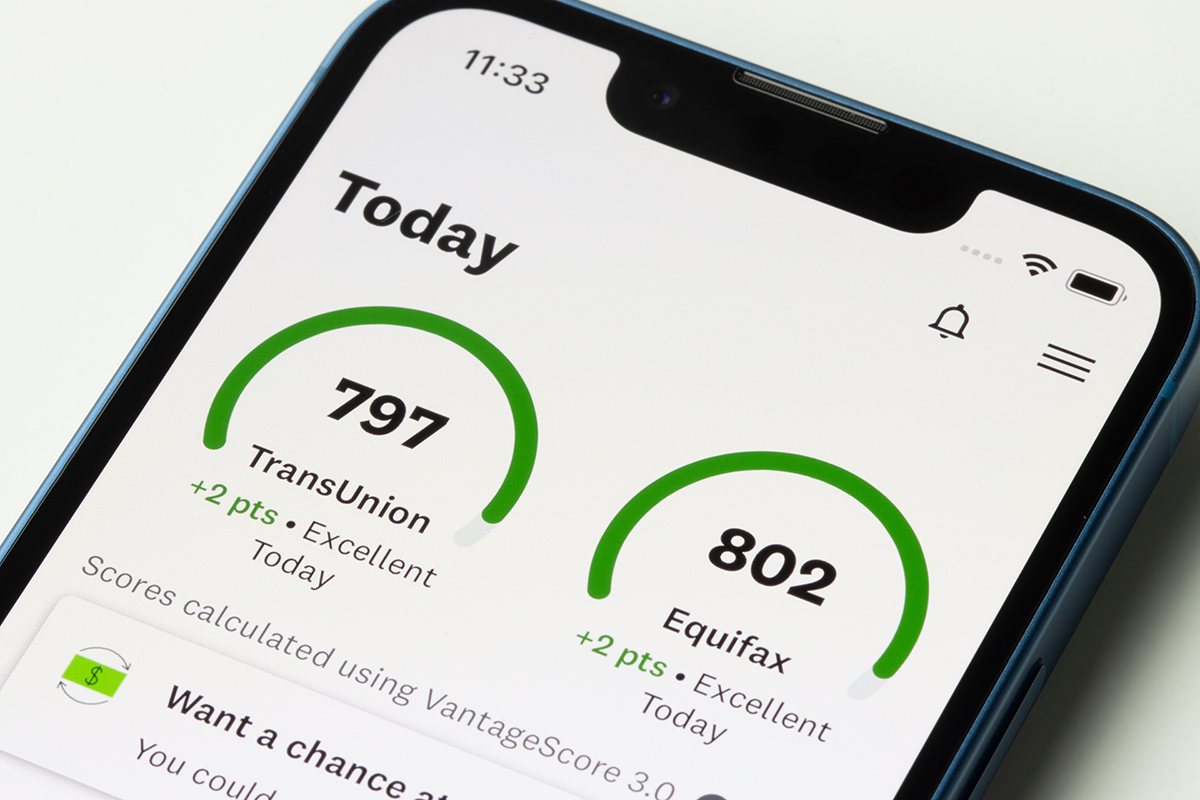
Monitoring your credit score helps you understand how separation-related changes are affecting your financial health. Many free services allow you to check your score regularly, giving you a clear picture of how your actions, like closing joint accounts or paying off debts, impact your credit.
Keeping an eye on your score allows you to catch problems early and take corrective action before they worsen.
A fraud alert notifies creditors to take extra steps in verifying your identity before opening new accounts in your name. This can be especially important during a separation, as there may be an increased risk of identity theft or unauthorized activity related to joint accounts.
A fraud alert lasts for one year and is free to place, and it provides an added layer of protection against potential misuse of your personal information.
Credit Freeze
If you’re particularly concerned about identity theft or your ex-partner opening accounts in your name, consider placing a credit freeze on your credit file. A freeze restricts access to your credit report, preventing lenders from viewing it or issuing new credit without your consent.
While a credit freeze doesn’t affect your credit score, it offers strong protection against unauthorized account openings. You can lift the freeze temporarily when you need to apply for new credit or a loan.
As you separate from your partner, it’s necessary to have a clear understanding of who is responsible for what debts. If you have shared loans or credit cards, make sure you document who will continue to pay what.
Formalizing these arrangements in writing, even if it’s just between the two of you, can help prevent future disputes and ensure each party understands their obligations. This is especially important if you’re separating assets, as it can be a key part of your legal or financial settlement.
Consult a Divorce Lawyer or Financial Advisor
For more complex financial arrangements, or if you’re unsure how to divide shared debts and responsibilities, it’s wise to consult a divorce lawyer or financial advisor.
A legal professional can help you draw up formal agreements to protect your credit and ensure that both parties are held accountable for their financial obligations. This can prevent misunderstandings and legal complications later on.
Keep Copies of All Agreements
Once you’ve settled your financial arrangements, make sure to keep copies of all documents. Whether it’s a formal divorce decree, settlement agreement, or a personal written agreement, having records will protect you if any questions arise down the line. Documentation is essential for resolving any disputes and proving your financial responsibility in the future.
Separation often means adjusting to a new financial reality. Take time to evaluate your income, expenses, and financial goals.
With potentially lower household income or new responsibilities, it’s necessary to reassess your budget and ensure it reflects your current situation. This will help you avoid overspending and stay on track with your financial goals, including rebuilding or maintaining your credit score.
Establish Individual Credit Accounts
If you don’t already have them, now is the time to establish individual credit accounts in your name. This could include opening a personal credit card or applying for a loan in your name.
Building or rebuilding your credit independently is a key step towards financial recovery. It also helps you establish a credit history that is separate from your ex-partner, allowing you to have more control over your future creditworthiness.
Set Financial Goals
Set short- and long-term financial goals for yourself. This could include paying off existing debts, saving for emergencies, or improving your credit score. Having clear goals in place will give you direction and motivation, helping you stay focused on rebuilding your financial stability after separation.

A financial planner can help you navigate the complexities of your finances during a separation. They can assist you in creating a budget, managing debt, and making smart financial decisions to safeguard your credit. A planner can also help you understand how to balance your financial priorities, such as saving for the future while dealing with any shared debts.
Work with a Bankruptcy Lawyer
If your separation involves significant shared assets, complex debt issues, or a divorce, consulting a bankruptcy lawyer is essential.
A legal professional can help ensure that all agreements regarding debt responsibility and asset division are clear, legally binding, and fair. They can also guide you on how to protect your credit throughout the legal process and avoid any financial traps that could affect your score.
Know Your Rights
Understanding your legal rights during a separation is critical. A bankruptcy attorney can help you navigate issues like the division of debts, credit responsibilities, and even bankruptcy, if necessary. Knowing your rights allows you to make informed decisions that will protect both your financial future and your credit score.
Facing financial and relationship challenges in Florida? Contact The Law Offices of Sacks & Sacks, P.A. for legal advice regarding how to make wise financial decisions throughout your separation and divorce.
Source:
[1] FastStats. (n.d.-b). Marriage and Divorce. https://www.cdc.gov/nchs/fastats/marriage-divorce.htm
 ✓
✓Reviewed by
Family Law Attorney & Partner, Sacks & Sacks